Plate I · Body
Abdominoplasty (Tummy Tuck)
Removal of excess abdominal skin and repair of the abdominal wall muscles after pregnancy or weight loss.
Full details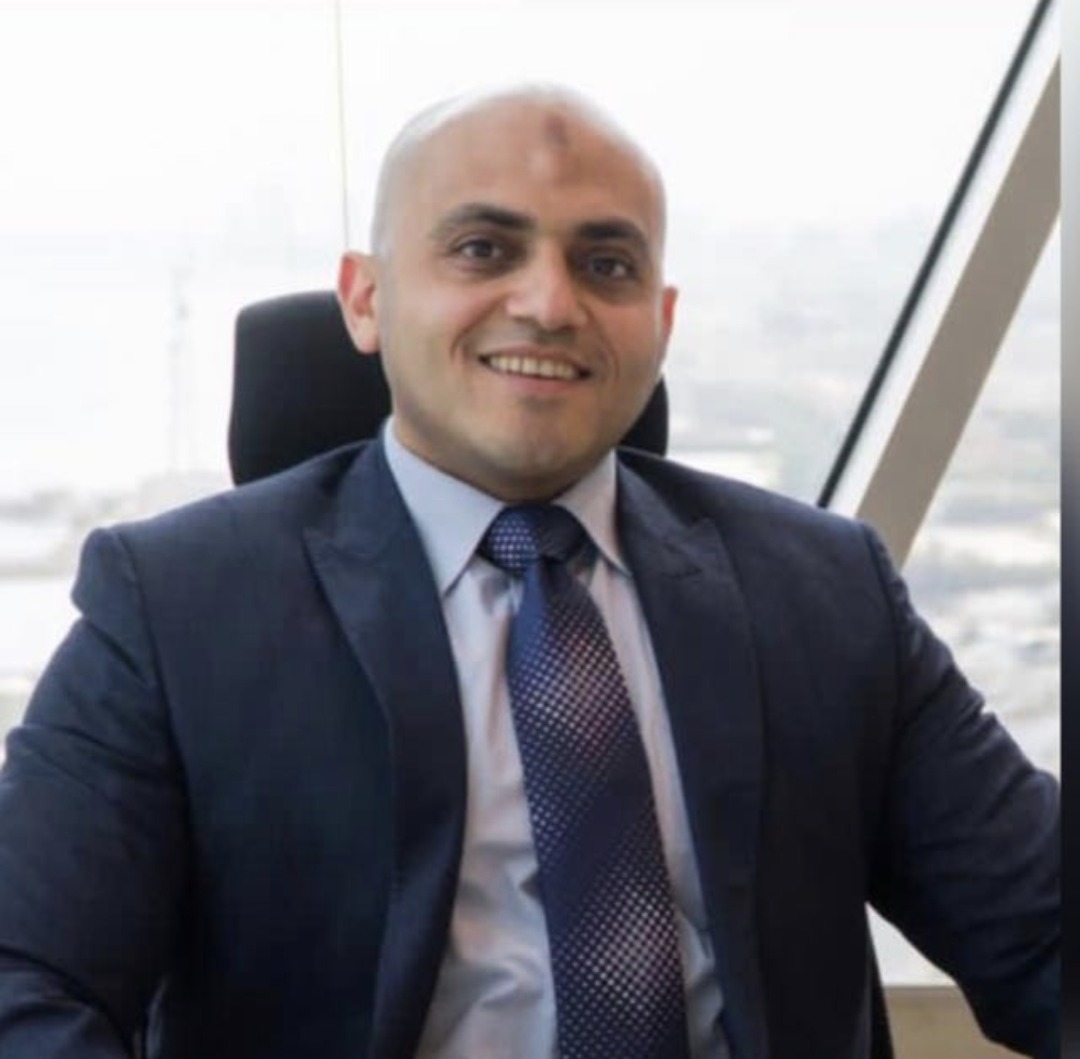
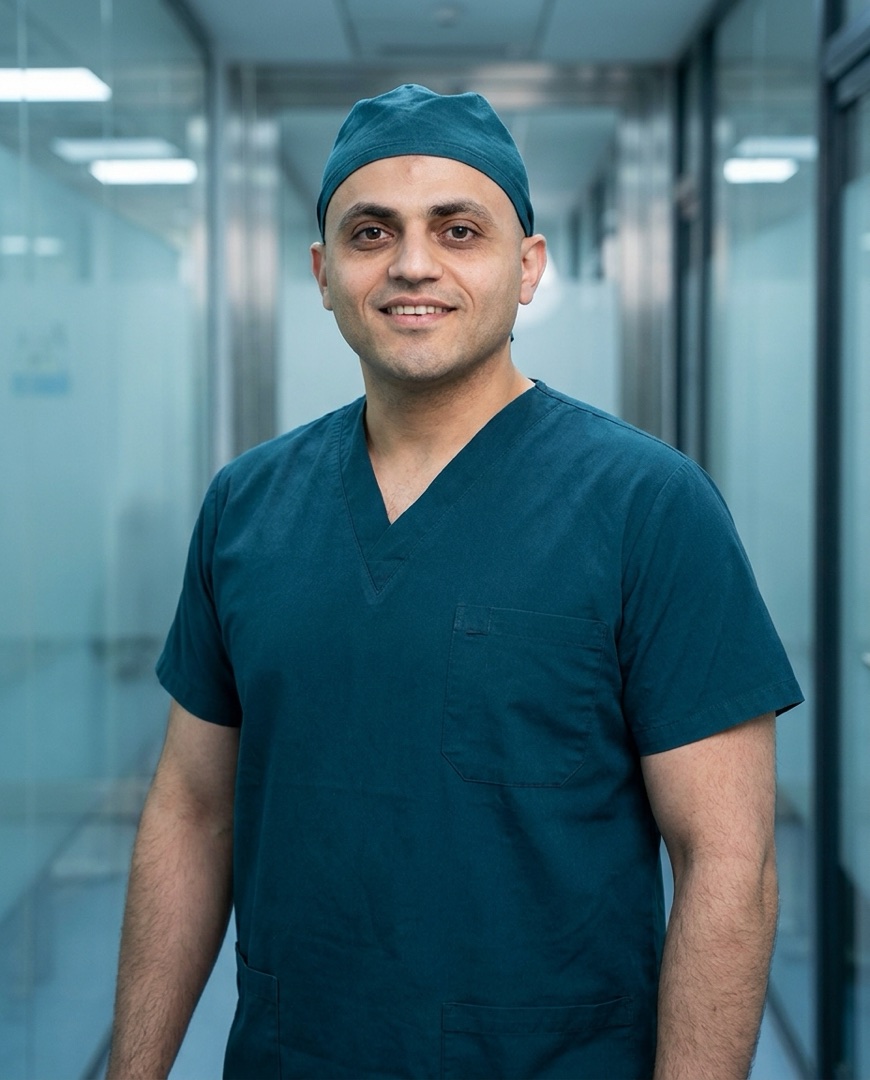
Plastic & Reconstructive Surgeon
Plastic and reconstructive surgeon practising in Kuwait and Egypt, holding two European Master's degrees from Sant Pau University in Barcelona and a Master's from Cairo University, and a member of ASPS and ISAPS.
Booking a consultation +965 6683 3925
ASPS — American Society of Plastic and Aesthetic Surgery · ISAPS — International Society of Aesthetic Plastic Surgery
Plate I · Body
Removal of excess abdominal skin and repair of the abdominal wall muscles after pregnancy or weight loss.
Full detailsPlate II · Body
Removal of localised fat deposits that do not respond to diet, with the option of re-injecting fat elsewhere.
Full detailsPlate III · Body
Treatment of excess skin after significant weight loss, in the abdomen, arms, thighs and elsewhere.
Full detailsPlate IV · Body
Surgical treatment of enlarged male breast tissue, after medical causes have been excluded.
Full detailsPlate V · Breast
Increasing breast volume using implants or autologous fat transfer.
Full detailsPlate VI · Breast
Reducing and reshaping the breast to relieve the physical symptoms associated with large size.
Full detailsPlate VII · Breast
Restoring a ptotic breast to a higher position without substantially changing volume.
Full detailsPlate VIII · Face
Reshaping the nose, which may include correcting associated difficulty in breathing.
Full detailsPlate IX · Face
Removal of excess skin or fat bulges from the upper or lower eyelid.
Full detailsPlate X · Face
Setting back prominent ears or reshaping the ear cartilage.
Full detailsPlate XI · Face
Fillers, botulinum toxin and thread lifts — clinic procedures without surgery.
Full detailsPlate XII · Face
Improving the appearance of scars, and addressing unsatisfactory results from previous surgery.
Full detailsStart by verifying the licence. In Kuwait a doctor's registration with the Ministry of Health can be confirmed, and the licence number should be published.
Ask about training and practice specifically in the procedure you are considering. Plastic surgery is a broad field, and not every surgeon performs every procedure to the same degree.
Pay attention to the consultation itself: were the risks explained clearly? Were alternatives mentioned, including not having the operation? Were you given time to think without pressure? A consultation focused more on offers and price than on clinical assessment is a signal worth pausing on.
There is nothing wrong with seeking a second opinion. Cosmetic surgery is elective in most cases, and time is on your side.
Surgery improves; it does not perfect. A reasonable aim is a tangible improvement within the limits of your own anatomy, not an ideal shape or a match to an image.
Complete symmetry between the two sides of the body does not exist before surgery, and surgery cannot create it.
The final result takes time: months for most operations, and up to a year or more for rhinoplasty.
If the motivation is pressure from someone else, or an expectation that the operation will change something in life beyond appearance itself, that deserves a frank discussion before any decision.
Nicotine narrows the small blood vessels that supply the skin. In plastic surgery specifically, skin is lifted and redistributed, so it depends on those fine vessels more than usual.
The practical consequence is that smoking raises the likelihood of delayed wound healing, separation of the wound edges, and in more severe cases loss of skin at the edges — which can leave a considerably worse scar than expected.
The period required before and after surgery is set by the surgeon, and usually covers a stretch before the operation and a stretch afterwards until healing is complete. Electronic cigarettes contain nicotine too.
It is preferable to wait until weight has stabilised and breastfeeding finished some time ago, because the breast and abdominal wall continue to change during that period.
Waiting six months to a year after breastfeeding ends usually gives a clearer picture of the final state of the tissues.
If another pregnancy is planned, it is usually sensible to defer abdominal and breast surgery, since a later pregnancy can reproduce the same changes.
A first consultation is for clinical examination and a discussion of medical history and available options.